ATG10 Antibody
Catalog# : 4399
Autophagy, the process of bulk degradation of cellular proteins through an autophagosomic-lysosomal pathway is important for normal growth control and may be defective in tumor cells. It is involved in the preservation of cellular nutrients under starvation conditions as well as the normal turnover of cytosolic components. This process is negatively regulated by TOR (Target of rapamycin) through phosphorylation of autophagy protein APG1. Another member of the autophagy protein family is ATG10, an E2-like enzyme involved in two ubiquitin-like modifications essential for autophagosome formation: ATG12-ATG5 conjugation and the modification of a soluble form of MAP-LC3, a homolog of yeast Apg8, to a membrane-bound form. ATG10 has also been shown to interact with ATG12 in human embryonic kidney cells in the presence of ATG7. Multiple isoforms of ATG10 are known to exist.
Additional Names : ATG10, Autophagy protein 10, Autophagy related protein 10, APG10L
 Description
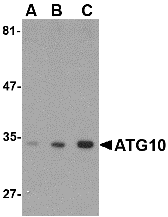
Left: Western blot analysis of ATG10 in SK-N-SH cell lysate with ATG10 antibody at (A) 0.5, (B) 1 and (C) 2 µg/ml.
Source : ATG10 antibody was raised against a 15 amino acid peptide from near the carboxy terminus of human ATG10.
Purification : Affinity chromatography purified via peptide column
Clonality and Clone : This is a polyclonal antibody.
Host : ATG10 antibody was raised in rabbit.Please use anti-rabbit secondary antibodies.
Application : ATG10 antibody can be used for the detection of ATG10 by Western blot at 0.5 – 1 µg/ml.
Tested Application(s) : E, WB
Buffer : Antibody is supplied in PBS containing 0.02% sodium azide.
Blocking Peptide : Cat.No. 4399P - ATG10 Peptide
Long-Term Storage : ATG10 antibody can be stored at 4ºC, stable for one year. As with all antibodies care should be taken to avoid repeated freeze thaw cycles. Antibodies should not be exposed to prolonged high temperatures.
Positive Control
1. Cat. No. 1220 - SK-N-SH Cell Lysate
Species Reactivity :H, M, R
GI Number : 119616290
Accession Number : EAW95884
Short Description : Autophagy protein 10
References
1. Gozuacik D and Kimchi A. Autophagy as a cell death and tumor suppressor mechanism. Oncogene 2004; 23:2891-906.
2. Kisen GO, Tessitore L, Costelli P, et al. Reduced autophagic activity in primary rat hepatocellular carcinoma and ascites hepatoma cells. Carcinogenesis 1993; 14:2501-5.
3. Kamada Y, Funakoshi T, Shintani T, et al. Tor-mediated induction of autophagy via Apg1 protein kinase complex. J. Cell. Biol. 2000; 150:1507-13.
4. Nemoto T, Tanida I, Tanida–Miyake E, et al. The mouse APG10 homologue, an E2-like enzyme for APG12p conjugation, facilitates MAP-LC3 modification. J. Biol. Chem. 2003; 278:39517-26.
Ambra1 Antibody
Catalog# : 4557
Autophagy, the process of bulk degradation of cellular proteins through an autophagosomic-lysosomal pathway is important for normal growth control and may be defective in tumor cells. It is involved in the preservation of cellular nutrients under starvation conditions as well as the normal turnover of cytosolic components. Beclin-1, a principal regulator of autophagosome formation, is in turn regulated by Ambra1. Ambra1 associates with Beclin-1 through a region near its center as determined by yeast two-hybrid assay. Null mutations in this gene in mice resulted in embryonic lethality with severe neural tube defects associated with autophagy impairment, accumulation of ubiquitinated proteins, unbalanced cell proliferation and excessive apoptotic death . Furthermore, down-regulation of Ambra1 in cultured cells though RNA interference decreased the level of rapamycin- and nutrient starvation-induced autophagy. Multiple isoforms of Ambra1 are known to exist.
Additional Names : Ambra1 (NT), Activating molecule in beclin-1-regulated autophagy, WDR94
 Description
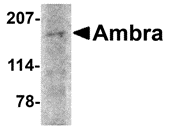
Left: Western blot analysis of Ambra1 in rat brain tissue lysate with Ambra1 antibody at 2 µg/ml.
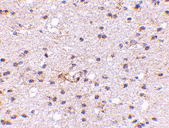
Below: Immunohistochemistry of Ambra1 in human brain with Ambra1 antibody at 5 µg/ml.
Other Product Images
 Source : Ambra1 antibody was raised against a 18 amino acid peptide from near the amino terminus of human Ambra1.
Purification : Affinity chromatography purified via peptide column
Clonality and Clone : This is a polyclonal antibody.
Host : Ambra1 antibody was raised in rabbit. Please use anti-rabbit secondary antibodies.
Application : Ambra1 antibody can be used for the detection of Ambra1 by Western blot at 2 – 4 µg/ml.
Tested Application(s) : E, WB, IHC
Buffer : Antibody is supplied in PBS containing 0.02% sodium azide.
Blocking Peptide : Cat.No. 4557P - Ambra1 Peptide
Long-Term Storage : Ambra1 antibody can be stored at 4ºC, stable for one year. As with all antibodies care should be taken to avoid repeated freeze thaw cycles. Antibodies should not be exposed to prolonged high temperatures.
Positive Control
1. Cat. No. 1463 - Rat Brain Tissue Lysate
Species Reactivity :H, M
GI Number : 166215833
Accession Number : Q9C0C7
Short Description : (NT) autophagy regulating protein
References
1. Gozuacik D and Kimchi A. Autophagy as a cell death and tumor suppressor mechanism. Oncogene 2004; 23:2891-906.
2. Kisen GO, Tessitore L, Costelli P, et al. Reduced autophagic activity in primary rat hepatocellular carcinoma and ascites hepatoma cells. Carcinogenesis 1993; 14:2501-5.
3. Liang XH, Jackson S, Seaman M, et al. Induction of autophagy and inhibition of tumorigenesis by beclin 1. Nature 1999; 402:672-6.
4. Fimia GM, Stoykova A, Romagnoli A, et al. Ambra1 regulates autophagy and development of the nervous system. Nature 2007; 447:1121-5.
Ambra1 Antibody
Catalog# : 4555
Autophagy, the process of bulk degradation of cellular proteins through an autophagosomic-lysosomal pathway is important for normal growth control and may be defective in tumor cells. It is involved in the preservation of cellular nutrients under starvation conditions as well as the normal turnover of cytosolic components. Beclin-1, a principal regulator of autophagosome formation, is in turn regulated by Ambra1. Ambra1 associates with Beclin-1 through a region near its center as determined by yeast two-hybrid assay. Null mutations in this gene in mice resulted in embryonic lethality with severe neural tube defects associated with autophagy impairment, accumulation of ubiquitinated proteins, unbalanced cell proliferation and excessive apoptotic death . Furthermore, down-regulation of Ambra1 in cultured cells though RNA interference decreased the level of rapamycin- and nutrient starvation-induced autophagy. Multiple isoforms of Ambra1 are known to exist.
Additional Names : Ambra1 (CT), Activating molecule in beclin-1-regulated autophagy, WDR94
 Description
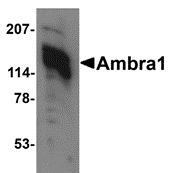
Left: Western blot analysis of Ambra1 in 3T3 cell lysate with Ambra1 antibody at 1 µg/ml.
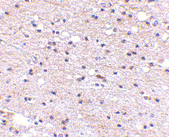
Below: Immunohistochemistry of Ambra1 in human brain with Ambra1 antibody at 5 µg/ml.
Other Product Images
 Source : Ambra1 antibody was raised against a 15 amino acid peptide from near the carboxy terminus of human Ambra1.
Purification : Affinity chromatography purified via peptide column
Clonality and Clone : This is a polyclonal antibody.
Host : Ambra1 antibody was raised in rabbit. Please use anti-rabbit secondary antibodies.
Application : Ambra1 antibody can be used for the detection of Ambra1 by Western blot at 1 – 2 µg/ml.
Tested Application(s) : E, WB, IHC
Buffer : Antibody is supplied in PBS containing 0.02% sodium azide.
Blocking Peptide : Cat.No. 4555P - Ambra1 Peptide
Long-Term Storage : Ambra1 antibody can be stored at 4ºC, stable for one year. As with all antibodies care should be taken to avoid repeated freeze thaw cycles. Antibodies should not be exposed to prolonged high temperatures.
Positive Control
1. Cat. No. 1282 - 3T3 (NIH) Cell Lysate
Species Reactivity :H, M, R
GI Number : 166215833
Accession Number : Q9C0C7
Short Description : (CT) autophagy regulating protein
References
1. Gozuacik D and Kimchi A. Autophagy as a cell death and tumor suppressor mechanism. Oncogene 2004; 23:2891-906.
2. Kisen GO, Tessitore L, Costelli P, et al. Reduced autophagic activity in primary rat hepatocellular carcinoma and ascites hepatoma cells. Carcinogenesis 1993; 14:2501-5.
3. Liang XH, Jackson S, Seaman M, et al. Induction of autophagy and inhibition of tumorigenesis by beclin 1. Nature 1999; 402:672-6.
4. Fimia GM, Stoykova A, Romagnoli A, et al. Ambra1 regulates autophagy and development of the nervous system. Nature 2007; 447:1121-5.
Various enzymes, such as HRP and AP, can be attached to antibodies and proteins to act as signal-generating molecules. Enzymes may be modified to contain homobifunctional or heterobifunctional reactive groups that can covalently couple to some chemical target on the enzyme and result in a terminally reactive group that can crosslink with another molecule.
Methods of Covalently Coupled Enzymes with Antiboby
Enzymes can be covalently coupled to our clients’ specific antibody using various methods like SMCC-Activated Enzymes, Periodate oxidation methods, Glutaraldehyde methods, Hydrazide-activated enzymes, SPDP heterobifunctional cross linking chemistry. As each conjugation is unique, our support team will work closely with each client to identify their objective and determine proper coupling chemistry. As we are the experts in enzyme conjugation techniques, BSI can provide a properly conjugated product quickly and efficiently.
Type of Enzyme
There are various types of enzymes like Horseradish Peroxidase (HRP), Alkaline Phosphatase (AP), ß-Galactosidease (also called lactase), Glucose Oxidase.
Services
Bio-Synthesis offer various services like: Oligonucleotide-enzyme conjugation, Enzyme-antibody conjugation, Enzyme-peptide conjugation and more.
TACE Antibody
Catalog# : 1131
Tumor-necrosis factor-a is a proinflammatory cytokine and contributes to a variety of inflammatory disease responses and programmed cell death. TNF-alpha is synthesized as a 26K type II membrane-bound precursor that is cleaved by a convertase to generate secreted 17K mature TNF-alpha. TNF-alpha converting enzyme (TACE) protein was recently purified and the human and mouse TACE cDNAs were cloned by several groups separately. TACE is a membrane-bound metalloprotease-disintegrin in the family of mammalian ADAM (for a disintegrin and metalloprotease). TACE also processes other cell surface proteins, including TNF receptor, TGFa, the L-selectin adhesion molecule, and alpha-cleavage of amyloid protein precursor (APP) (4,5). TACE mRNA is expressed in a variety of human and murine tissues. TACE was selected as one of the few targets in cytokine activation by the Eighth International Conference of the Inflammation Research Association.
Additional Names : TACE (CT), adam17
 Description
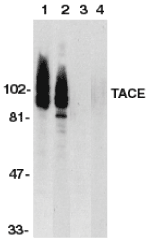
Left: Western blot analysis of TACE in HeLa and Jurkat whole cell lysate in the absence or presence of blocking peptide (Cat. No. 1131P) with TACE antibody at 1:500 dilution.
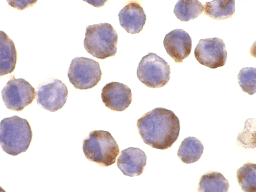
Below: Immunocytochemistry of TACE in HeLa cells with TACE antibody at 10 µg/ml.
Other Product Images
 Source : TACE antibody was raised against a peptide corresponding to amino acids near the carboxy terminus of human TACE This sequence differs from those of mouse and rat TACE by one amino acid.
Purification : Affinity chromatography purified via peptide column
Clonality and Clone : This is a polyclonal antibody.
Host : TACE antibody was raised in rabbit. Please use anti-rabbit secondary antibodies.
Immunogen : Human TACE (C-Terminus) Peptide (Cat. No. 1131P)
Application : TACE antibody can be used for detection of TACE by Western blot at 1:500 to 1:2000 dilution. 80 to 130 kDa bands can be detected, which may represent mature protein, precursor, and glycosylated TACE.
Tested Application(s) : E, WB, ICC
Buffer : Antibody is supplied in PBS containing 0.02% sodium azide.
Blocking Peptide : Cat. No. 1131P - TACE Peptide
Long-Term Storage : TACE antibody can be stored at 4ºC, stable for one year. As with all antibodies care should be taken to avoid repeated freeze thaw cycles. Antibodies should not be exposed to prolonged high temperatures.
Positive Control
1. Cat. No. 1201 - HeLa Cell Lysate
2. Cat. No. 1205 - Jurkat Whole Cell Lysate
Species Reactivity :H, M, R
GI Number : 73747889
Accession Number : NP_003174
Short Description : (CT) TNFalpha converting enzyme
References
1. Black RA, Rauch CT , Kozlosky CJ, et al. A metalloproteinase disintegrin that releases tumour-necrosis factor-alpha from cells. Nature 1997;385:729-733
2. Moss ML, Jin SL, Milla ME, et al. Cloning of a disintegrin metalloproteinase that processes precursor tumour-necrosis factor-alpha. Nature 1997;385:733-736
3. Mizui Y, Yamazaki K, Sagane K, Tanaka I. cDNA cloning of mouse tumor necrosis factor-alpha converting enzyme (TACE) and partial analysis of its promoter. Gene 1999;233:67-74
4. Peschon JJ, Slack JL, Reddy P, et al. An essential role for ectodomain shedding in mammalian development. Science 1998;282:1281-4
sRANK Ligand Antibody
Catalog# : 3963
The receptor activator of NF-kappaB ligand (RANK-L) is a recently discovered member of the TNF-ligand family involved in the regulation of the T cell-dependent immune response, lymph node organogenesis and bone formation. RANK-L exists as both a normal, transmembrane form and a truncated, soluble form (sRANK-L), both of which can stimulate the receptor. Activation of T cells, such as by treatment with interleukin-7, induces RANK-L production and leads to an increase of osteoclast formation and bone loss. Finally, sRANK-L can activate the antiapoptotic kinase Akt through a signaling complex involving Src kinase and TRAF6, suggesting sRANK-L may also play a role in regulating apoptosis. This antibody will recognize both the soluble form and the uncleaved transmembrane form of RANK-L.
Additional Names : sRANK Ligand, sRANK-L, TNFSF11, TRANCE, OPGL
 Description
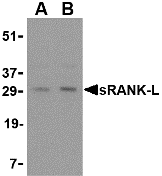
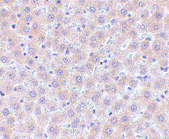
Left: Western blot analysis of sRANK-L in rat liver tissue lysate with sRANK-L antibody at (A) 0.25 and (B) 0.5 µg/ml.
Below: Immunohistochemistry of sRANK-L in human liver tissue with sRANK-L antibody at 5 µg/ml.
Other Product Images
 Source : sRANK-L antibody was raised against a 14 amino acid peptide from near the center of human sRANK-L .
Purification : Affinity chromatography purified via peptide column
Clonality and Clone : This is a polyclonal antibody.
Host : sRANK Ligand antibody was raised in rabbit. Please use anti-rabbit secondary antibodies.
Application : sRANK-L antibody can be used for detection of sRANK-L by Western blot at 0.25 – 0.5 µg/ml.
Tested Application(s) : E, WB, IHC
Buffer : Antibody is supplied in PBS containing 0.02% sodium azide.
Blocking Peptide : Cat.No. 3963P - sRANK Ligand Peptide
Long-Term Storage : sRANK Ligand antibody can be stored at 4ºC, stable for one year. As with all antibodies care should be taken to avoid repeated freeze thaw cycles. Antibodies should not be exposed to prolonged high temperatures.
Positive Control
1. Cat. No. 1464 - Rat Liver Tissue Lysate
2. Cat. No. 1304 - Human Liver Tissue Lysate
Species Reactivity :H, M, R
GI Number : 4507595
Accession Number : NP_003692
Short Description : a member of the TNF-ligand family
References
1. Wong BR, Rho J, Arron J, et al. TRANCE is a novel ligand of the tumor necrosis factor receptor family that activates c-Jun N-terminal kinase in T cells. J. Biol. Chem. 1997; 272:25190-4.
2. Kong YY, Yoshida H, Sarosi I, et al. OPGL is a key regulator of osteoclastogenesis, lymphocyte development and lymph-node organogenesis. Nature 1999; 397:315-23.
3. Weitzmann MN, Cenci S, Rifas L, et al. Interleukin-7 stimulates osteoclast formation by up-regulating the T-cell production of soluble osteoclastogenic cytokines. Blood 2000; 96:1873-8.
4. Bharti AC, Takada Y, Shishodia S, et al. Evidence that receptor activator of the nuclear factor (NF)-kappaB ligand can suppress cell proliferation and induce apoptosis through activation of a NF-kappaB-independent and TRAF6-dependent mechanism. J. Biol. Chem. 2004; 279:6065-76.
RICK Antibody
Catalog# : 2183
Apoptosis is mediated by death domain (DD) and/or caspase recruitment domain (CARD) containing molecules and a caspase family of proteases. DD-containing serine/threonine kinase RIP regulates Fas-induced apoptosis. A novel CARD-containing serine/threonine kinase was recently identified and designated RICK/RIP2/CARDIAK for RIP-like interacting CLARP kinase, receptor interacting protein-2, and CARD-containing ICE associated kinase, respectively, (1-3). RICK contains an N-terminal kinase catalytic domain and a C-terminal CARD domain. Overexpression of RICK induced apoptosis and activation of NF-kappaB and JNK. RICK interacts with members of the TRAF family, CLARP and caspase-1. Thus, RICK represents a novel kinase that regulates TNF and Fas induced-apoptosis and that is involved in the generation of proinflammatory cytokine IL-1b. The messenger RNA of RICK is expressed in multiple human tissues (1).
Additional Names : RICK (CT), RIP2
Source : RICK antibody was raised against a peptide corresponding to amino acids 508 to 522 of human origin .
Purification : Affinity chromatography purified via peptide column
Clonality and Clone : This is a polyclonal antibody.
Host : RICK antibody was raised in rabbit. Please use anti-rabbit secondary antibodies.
Immunogen : Human RICK (C-Terminus) Peptide (Cat. No. 2183P)
Application : RICK antibody can be used for detection of RICK by Western blot at 1:500 dilution. An approximately 60 kDa band can be detected. It is human, mouse, and rat reactive.
Tested Application(s) : E, WB, ICC
Buffer : Antibody is supplied in PBS containing 0.02% sodium azide.
Blocking Peptide : Cat. No. 2183P - RICK Peptide
Long-Term Storage : RICK antibody can be stored at 4ºC, stable for one year. As with all antibodies care should be taken to avoid repeated freeze thaw cycles. Antibodies should not be exposed to prolonged high temperatures.
Positive Control
1. Cat. No. 1204 - K562 Cell Lysate
2. Cat. No. 1212 - 3T3 Whole Cell Lysate
Species Reactivity :H
GI Number : 3123886
Accession Number : AF027706
Short Description : (CT) RIP-like Interacting CLARP Kinase
References
1. Inohara N, del Peso L, Koseki T, Chen S, Nunez G. RICK, a novel protein kinase containing a caspase recruitment domain, interacts with CLARP and regulates CD95-mediated apoptosis. J Biol Chem 1998;273:12296-300
2. McCarthy JV, Ni J, Dixit VM. RIP2 is a novel NF-kappaB-activating and cell death-inducing kinase. J Biol Chem 1998;273:16968-75
3. Thome M, Hofmann K, Burns K, Martinon F, Bodmer JL, Mattmann C, Tschopp J. Identification of CARDIAK, a RIP-like kinase that associates with caspase-1. Curr Biol 1998;8:885-8 (WD0300)
RAIDD Antibody
Catalog# : 1117
Apoptosis, or programmed cell death, occurs during normal cellular differentiation and development of multicellular organisms. Apoptosis is induced by certain cytokines including TNF and Fas ligand of the TNF family through their death domain (DD)-containing receptors, TNFR1 and Fas. The death signals are transduced by a group of DD-containing adapter molecules. A novel cell death adapter was recently identified by two independent groups and designated RAIDD (RIP-associated ICH-1/CED-3-homologous protein with DD) and CRADD (caspase and RIP adapter with DD)1,RAIDD contains a DD and a CARD (for caspase recruitment domain) which interact with RIP and caspase, respectively, to transduce death signals. RAIDD is constitutively expressed in many tissues and mediates apoptosis caused by Fas and TNFR-1.
Additional Names : RAIDD (CT), CRADD
 Description
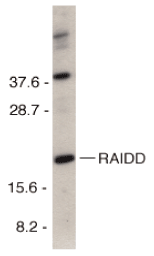
Left: Western blot analysis of RAIDD in HeLa total cell lysate with RAIDD antibody at 1 µg/ml.
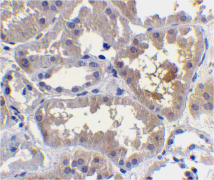
Below: Immunohistochemistry of RAIDD in human kidney tissue with RAIDD antibody at 10 µg/ml.
Other Product Images
 Source : RAIDD antibody was raised against a peptide corresponding to amino acids near the carboxy terminus of human RAIDD .
Purification : Antibody is DEAE purified
Clonality and Clone : This is a polyclonal antibody.
Host : RAIDD antibody was raised in rabbit. Please use anti-rabbit secondary antibodies.
Immunogen : Human RAIDD (C-Terminus) Peptide (Cat. No. 1117P)
Application : RAIDD antibody can be used for detection of RAIDD by Western blot at 1:500 to 1:1000 dilution. A 22 kDa band should be detected.
Tested Application(s) : E, WB, IHC
Buffer : Antibody is supplied in PBS containing 0.02% sodium azide.
Blocking Peptide : Cat. No. 1117P - RAIDD Peptide
Long-Term Storage : RAIDD antibody can be stored at 4ºC, stable for one year. As with all antibodies care should be taken to avoid repeated freeze thaw cycles. Antibodies should not be exposed to prolonged high temperatures.
Positive Control
1. Cat. No. 1201 - HeLa Cell Lysate
2. Cat. No. 1305 - Human Kidney Tissue Lysate
Species Reactivity :H
GI Number : 1785557
Accession Number : AAB42217
Short Description : (CT) Adapter Molecule
References
1. Duan H, Dixit VM. RAIDD is a new 'death' adaptor molecule. Nature 1997;385:86-89
2. Ahmad M, Srinivasula SM, Wang L, Talanian RV, Litwack G, Fernandes-Alnemri T, Alnemri ES. CRADD, a novel human apoptotic adaptor molecule for caspase-2, and FasL/tumor necrosis factor receptor-interacting protein RIP. Cancer Res 1997 57:615-619
3. Hofmann K, Bucher P, Tschopp J. The CARD domain: a new apoptotic signalling motif. Trends Biochem Sci 1997;22:155-156 (RD1299)
RAIDD Antibody
Catalog# : 1115
Apoptosis, or programmed cell death, occurs during normal cellular differentiation and development of multicellular organisms. Apoptosis is induced by certain cytokines including TNF and Fas ligand of the TNF family through their death domain (DD)-containing receptors, TNFR1 and Fas. The death signals are transduced by a group of DD-containing adapter molecules. A novel cell death adapter was recently identified by two independent groups and designated RAIDD (RIP-associated ICH-1/CED-3-homologous protein with DD) and CRADD (caspase and RIP adapter with DD)1,RAIDD contains a DD and a CARD (for caspase recruitment domain) which interact with RIP and caspase, respectively, to transduce death signals1,3. RAIDD is constitutively expressed in many tissues and mediates apoptosis caused by Fas and TNFR-1.
Additional Names : RAIDD (IN), CRADD
 Description
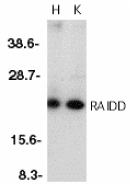
Left: Western blot analysis of RAIDD in whole cell lysates from HeLa (H) or K562 (K) cells with RAIDD antibody at 1:500 dilution.
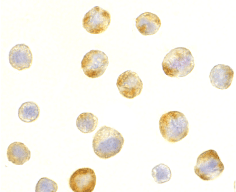
Below: Immunocytochemistry of RAIDD in HeLa cells with RAIDD antibody at 5 µg/ml.
Other Product Images
 Source : RAIDD antibody was raised against a peptide corresponding to amino acids 99 to 117 of human RAIDD .
Purification : Affinity chromatography purified via peptide column
Clonality and Clone : This is a polyclonal antibody.
Host : RAIDD antibody was raised in rabbit. Please use anti-rabbit secondary antibodies.
Immunogen : Human RAIDD (Intermediate Domain) Peptide (Cat. No. 1115P)
Application : RAIDD antibody can be used for detection of RAIDD by Western blot at 1:500 to 1:1000 dilution. A 22 kDa band should be detected.
Tested Application(s) : E, WB, ICC
Buffer : Antibody is supplied in PBS containing 0.02% sodium azide.
Blocking Peptide : Cat. No. 1115P - RAIDD Peptide
Long-Term Storage : RAIDD antibody can be stored at 4ºC, stable for one year. As with all antibodies care should be taken to avoid repeated freeze thaw cycles. Antibodies should not be exposed to prolonged high temperatures.
Positive Control
1. Cat. No. 1201 - HeLa Cell Lysate
2. Cat. No. 1204 - K562 Whole Cell Lysate
Species Reactivity :H
GI Number : 1785557
Accession Number : AAB42217
Short Description : (IN) Adapter Molecule
References
1. Duan H, Dixit VM. RAIDD is a new 'death' adaptor molecule. Nature 1997;385:86-89
2. Ahmad M, Srinivasula SM, Wang L, Talanian RV, Litwack G, Fernandes-Alnemri T, Alnemri ES. CRADD, a novel human apoptotic adaptor molecule for caspase-2, and FasL/tumor necrosis factor receptor-interacting protein RIP. Cancer Res 1997 57:615-619
3. Hofmann K, Bucher P, Tschopp J. The CARD domain: a new apoptotic signalling motif. Trends Biochem Sci 1997;22:155-156 (RD1299)
PUMA Monoclonal Antibody
Catalog# : PM-4529
Apoptosis is related to many diseases and development. The p53 tumor-suppressor protein induces apoptosis through transcriptional activation of several genes. A novel p53 inducible pro-apoptotic gene was identified recently and designated PUMA (for p53 upregulated modulator of apoptosis) and bbc3 (for Bcl-2 binding component 3) in human and mouse. PUMA/bbc3 is one of the pro-apoptotic Bcl-2 family members including Bax and Noxa, which are also transcriptional targets of p53. The PUMA gene encodes two BH3 domain-containing proteins termed PUMA-a and PUMA-b. PUMA proteins bind Bcl-2, localize to the mitochondria, and induce cytochrome c release and apoptosis in response to p53. PUMA may be a direct mediator of p53-induced apoptosis.
Additional Names : PUMA (10D4G7), p53 upregulated modulator of apoptosis, bbc3, Bcl-2 binding component 3
 Description
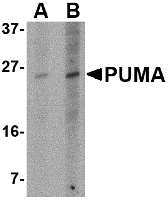
Left: Western blot analysis of PUMA expression in K562 cell lysate with PUMA antibody at (A) 2.5 and (B) 5 µg/ml.
Source : Mouse monoclonal PUMA antibody was raised against a recombinant protein corresponding to amino acids 76 – 170 of human PUMA-alpha.
Purification : Immunoaffinity chromotography purified IgG
Clonality and Clone : This is a monoclonal antibody. (Clone 10D4G7)
Host : PUMA monoclonal antibody was raised in mouse. Please use anti-rabbit secondary antibodies.
Immunogen : Recombinant protein corresponding to amino acids 76 – 170 of human PUMA-alpha.
Application : PUMA antibody can be used for detection of PUMA by Western blot at 2.5 to 5 µg/ml.
Tested Application(s) : E, WB
Buffer : Antibody is supplied in PBS containing 0.02% sodium azide.
Long-Term Storage : PUMA monoclonal antibody can be stored at 4ºC, stable for one year.
Positive Control
1. Cat. No. 1204 - K562 Whole Cell Lysate
2. Cat. No. 95-102 - PUMA Recombinant Protein
Species Reactivity :H, R
Short Description : p53 upregulated modulator of apoptosis
References
1. Nakano K, Vousden KH. PUMA, a novel proapoptotic gene, is induced by p53. Mol Cell. 2001; 7:683-94.
2. Yu J, Zhang L, Hwang PM, Kinzler KW, Vogelstein B. PUMA induces the rapid apoptosis of colorectal cancer cells. Mol Cell. 2001; 7:673-82.
3. Han J, Flemington C, Houghton AB, Gu Z, Zambetti GP, Lutz RJ, Zhu L, Chittenden T. Expression of bbc3, a pro-apoptotic BH3-only gene, is regulated by diverse cell death and survival signals. Proc Natl Acad Sci U S A. 2001; 98:11318-23.
PUMA Monoclonal Antibody
Catalog# : PM-4527
Apoptosis is related to many diseases and development. The p53 tumor-suppressor protein induces apoptosis through transcriptional activation of several genes. A novel p53 inducible pro-apoptotic gene was identified recently and designated PUMA (for p53 upregulated modulator of apoptosis) and bbc3 (for Bcl-2 binding component 3) in human and mouse. PUMA/bbc3 is one of the pro-apoptotic Bcl-2 family members including Bax and Noxa, which are also transcriptional targets of p53. The PUMA gene encodes two BH3 domain-containing proteins termed PUMA-a and PUMA-b. PUMA proteins bind Bcl-2, localize to the mitochondria, and induce cytochrome c release and apoptosis in response to p53. PUMA may be a direct mediator of p53-induced apoptosis.
Additional Names : PUMA (10C5G1), p53 upregulated modulator of apoptosis, bbc3, Bcl-2 binding component 3
 Description
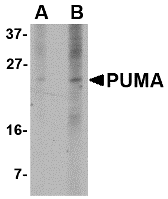
Western blot analysis of PUMA expression in K562 cell lysate with PUMA antibody at (A) 2.5 and (B) 5 µg/ml.
Source : Mouse monoclonal PUMA antibody was raised against a recombinant protein corresponding to amino acids 76 – 170 of human PUMA-alpha.
Purification : Immunoaffinity chromotography purified IgG
Clonality and Clone : This is a monoclonal antibody. (Clone 10C5G1)
Host : PUMA monoclonal antibody was raised in mouse. Please use anti-rabbit secondary antibodies.
Immunogen : Recombinant protein corresponding to amino acids 76 – 170 of human PUMA-alpha.
Application : PUMA antibody can be used for detection of PUMA by Western blot at 2.5 to 5 µg/ml.
Tested Application(s) : E, WB
Buffer : Antibody is supplied in PBS containing 0.02% sodium azide.
Long-Term Storage : PUMA monoclonal antibody can be stored at 4ºC, stable for one year.
Positive Control
1. Cat. No. 1204 - K562 Whole Cell Lysate
2. Cat. No. 95-102 - PUMA Recombinant Protein
Species Reactivity :H, R
Short Description : p53 upregulated modulator of apoptosis
References
1. Nakano K, Vousden KH. PUMA, a novel proapoptotic gene, is induced by p53. Mol Cell. 2001; 7:683-94.
2. Yu J, Zhang L, Hwang PM, Kinzler KW, Vogelstein B. PUMA induces the rapid apoptosis of colorectal cancer cells. Mol Cell. 2001; 7:673-82.
3. Han J, Flemington C, Houghton AB, Gu Z, Zambetti GP, Lutz RJ, Zhu L, Chittenden T. Expression of bbc3, a pro-apoptotic BH3-only gene, is regulated by diverse cell death and survival signals. Proc Natl Acad Sci U S A. 2001; 98:11318-23.
Custom DNA Synthesis
A wide variety of modifications can be incorporated directly during the synthesis or after synthesis. Certain modifications (notably Digoxigenin and some fluorescent dyes) are not available to be incorporated during synthesis and must be attached to the oligo after synthesis using NHS ester chemistry. NHS esters react with free primary amines and result in stable, covalent attachments. A primary amine is, therefore, added to the oligo during synthesis to permit reaction with the desired NHS ester. The post-synthetic chemical modifications made to an oligonucleotide by using NHS ester modification result in lower yields than direct incorporation of modifications during synthesis. Furthermore, all NHS ester modifications require HPLC purification. PAGE purification is not offered for NHS ester modifications as yields are further decreased and certain modifications can be damaged during PAGE purification.
BSI is unique in that we our own internal engineers, maintenance support and technical staff available 24/7 for our own proprietary stat-of-the-art DNA synthesis instrumentation. We are always ready to meet your high-throµghput oligo synthesis in the following format and configurations:
- All oligos are deprotected, desalted, ready-to-use
- 48 well, 96 well plates
- Scale: 20 nmole
- Sequence between 10-30 bases
- Deliver oligo in solution, or lyophilized format
- QC by MALDI-TOF mass spectrometry and/or PAGE, HPLC analysis
- Spreadsheet reporting with, sequence, lot#, MW, µg/OD
Quality Assurance:
All of our high-throµghput oligo are under go strict quality control either by MALDI-TOP mass spectrometry or poly acrylamide gel eletrophoresis (PAGE) analysis. Spread sheet quality assurance certificate include, sequence, lot#, mw, µg/OD. We guarantee all oligo sequences as customers have specified.
Contact us or call 800-227-0627 for details. The most trusted name in Quality Custom Synthesis
ILP-2 Antibody
Catalog# : 3017
Apoptosis, or programmed cell death, is related to many diseases, such as cancer. Apoptosis is triggered by a variety of stimuli including members in the TNF family and prevented by the inhibitor of apoptosis (IAP) proteins. IAP proteins form a conserved gene family including IAP, XIAP/ILP-1/MIHA, and Livin/KIAP that bind to and inhibits specific proteases. A novel member in the IAP protein family was recently identified and designated ILP-2 for IAP-like protein-2 (1). ILP-2 has high homology to ILP-1, but is encoded by a distinct gene that is solely expressed in testis of tested normal human tissues (1). ILP-2, unlike ILP-1, has no inhibitory effect on Fas and TNF induced apoptosis, but potently inhibits apoptosis induced by overexpression of Bax or by coexpression of caspase-9 with Apaf-1. ILP-2 interacts with the processed caspase-9. These results suggest that ILP-2 is a novel IAP family member with restricted specificity for caspase-9.
Additional Names : ILP-2
 Description
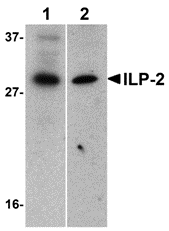
Left: Western blot analysis of ILP-2 expression in human HepG2 (lane 1) and MOLT4 (lane 2) cell lysates with ILP-2 antibody at 1 µg/ml.
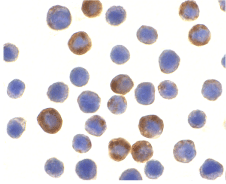
Below: Immunocytochemistry of ILP-2 in HepG2 cells with ILP-2 antibody at 10 µg/ml.
Other Product Images
 Source : ILP-2 antibody was raised with against a synthetic peptide corresponding to amino acids near the amino terminus of human ILP-2.
Purification : Affinity chromatography purified via peptide column
Clonality and Clone : This is a polyclonal antibody.
Host : ILP-2 antibody was raised in rabbit. Please use anti-rabbit secondary antibodies.
Immunogen : Human ILP-2 Peptide (Cat. No. 3017P)
Application : ILP-2 antibody can be used for detection of ILP-2 by Western blot at 1 to 2 µg/ml.Human HepG2 or MOLT4 cell lysate can be used as a positive control and a band at approximately 33 kDa can be detected. It is human, mouse, and rat reactive.
Tested Application(s) : E, WB, ICC
Buffer : Antibody is supplied in PBS containing 0.02% sodium azide.
Blocking Peptide : Cat. No. 3017P - ILP-2 Peptide
Long-Term Storage : ILP-2 antibody can be stored at 4ºC, stable for one year. As with all antibodies care should be taken to avoid repeated freeze thaw cycles. Antibodies should not be exposed to prolonged high temperatures.
Positive Control
1. Cat. No. 1211 - HepG2 Cell Lysate
Species Reactivity :H, M, R
GI Number : 44680139
Accession Number : NP_203127
Short Description : A novel member in IAP family
References
1. Richter BW, Mir SS, Eiben LJ, Lewis J, Reffey SB, Frattini A, Tian L, Frank S, Youle RJ, Nelson DL, Notarangelo LD, Vezzoni P, Fearnhead HO, Duckett CS. Molecular cloning of ILP-2, a novel member of the inhibitor of apoptosis protein family. Mol Cell Biol. 2001;21(13):4292-301.
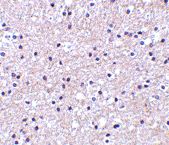
IEX-1 Antibody Catalog# : 4247IEX-1 is a stress inducible gene that is induced by ionizing radiation, ultraviolet radiation, and a variety of growth factors, i.e., FAS and TNF-a. IEX-1 is widely expressed in epithelial and endocrine tissues, as well as in vascular endothelium. It plays an important role in the regulation of cellular growth, cell death and oncogenesis. IEX-1 is precisely regulated by multiple transcription factors such as p53, NF-kappaB/rel, Sp1 and c-Myc, to ensure rapid and transient expression of IEX-1 in cells under a variety of stress conditions. IEX-1 is expressed as both a longer form (IEX1L) and a splice variant, designated IEX1S. It is localized to the nucleus and perinuclear region. Overexpression of IEX-1 facilitates apoptosis and cell cycle progression, whereas disruption of IEX-1 expression is associated with decreases in both apoptosis and cell cycle progression.Additional Names : IEX-1, Immediate early response 3, IER3, DIF2, PRG1, GLY96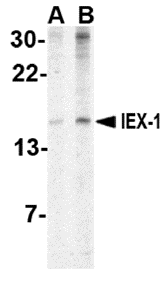 DescriptionLeft: Western blot analysis of IEX1 in human brain tissue lysate with IEX1 antibody at (A) 2 and (B) 4 µg/ml.Below: Immunohistochemistry of IEX-1 in human liver tissue with IEX-1 antibody at 2.5 µg/ml.Other Product Images
 Source : IEX1 antibody was raised against a 24 amino acid peptide near the center of human IEX1.Purification : Affinity chromatography purified via peptide columnClonality and Clone : This is a polyclonal antibody.Host : IEX-1 antibody was raised in rabbit. Please use anti-rabbit secondary antibodies.Application : IEX1 antibody can be used for detection of IEX1 by Western blot at 2 – 4 µg/ml.Tested Application(s) : E, WB, IHCBuffer : Antibody is supplied in PBS containing 0.02% sodium azide.Blocking Peptide : Cat.No. 4247P - IEX-1 PeptideLong-Term Storage : IEX-1 antibody can be stored at 4ºC, stable for one year. As with all antibodies care should be taken to avoid repeated freeze thaw cycles. Antibodies should not be exposed to prolonged high temperatures.Positive Control1. Cat. No. 1303 - Human Brain Tissue Lysate2. Cat. No. 1304 - Human Liver Tissue LysateSpecies Reactivity :H, MGI Number : 3123229Accession Number : P46695Short Description : a stress inducible gene that is induced by ionizing radiationReferences 1. Kondratyev AD, Chung K-N and Jung MO. Identification and characterization of a radiation-inducible glycosylated human early-response gene. Cancer Res. 1996; 56:1498-502.2. Feldmann KA, Piddelkow MR, Roche PC, et al. Expression of an immediate early gene, IEX-1, in human tissues. Histochem. Cell Biol. 2001; 115:489–97.3. Wu MX, Zhaohui A, Prasad KVS, et al. IEX-1L, an apoptosis inhibitor involved in NFkappaB mediated cell survival. Science 1998; 281:998-1001.4. Arlt A, Grobe O, Sieke A, et al. Expression of the NF-kappa B target gene IEX-1 (p22/PRG1) does not prevent cell death but instead triggers apoptosis in Hela cells. Oncogene 2001; 20:69–76.
ICAD Antibody
Catalog# : 2003
Apoptosis is related to many diseases and induced by a family of cell death receptors and their ligands. Cell death signals are transduced by death domain containing adapter molecules and members of the caspase family of proteases. These death signals finally cause the degradation of chromosomal DNA by activated DNase. A human DNA fragmentation factor (DFF) was identified recently which was cleaved by caspase-3 during apoptosis. Mouse homologue of human DFF was identified as a DNase inhibitor designated ICAD, for inhibitor of caspase-activated DNase. Upon cleavage of DFF/ICAD, a caspase activated deoxyribonuclease (CAD) is released and activated and eventually causes the degradation of DNA in the nuclei. Therefore, the cleavage of CAD inhibitor molecule DFF/ICAD, which causes DNase activation and DNA degradation, is the hallmark of apoptotic cell death.
Additional Names : ICAD (CT), DFF45
Description
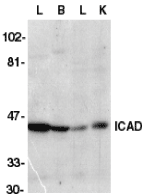
Left: Western blot analysis of ICAD in mouse lung (L), brain (B), liver (L), and kidney tissue lysate with CAD antibody at 1:1000 dilution.
Source : ICAD antibody was raised against a peptide corresponding to amino acids 312 to 331 of mouse ICAD .
Purification : Affinity chromatography purified via peptide column
Clonality and Clone : This is a polyclonal antibody.
Host : ICAD antibody was raised in rabbit. Please use anti-rabbit secondary antibodies.
Immunogen : Mouse ICAD (C-Terminus) Peptide (Cat. No. 2003P)
Application : ICAD antibody can be used for detection of of ICAD by Western blot at 1:500 to 1:2000 dilution. A 45 kDa band can be detected.
Tested Application(s) : E, WB
Buffer : Antibody is supplied in PBS containing 0.02% sodium azide.
Blocking Peptide : Cat. No. 2003P - ICAD Peptide
Long-Term Storage : ICAD antibody can be stored at 4ºC, stable for one year. As with all antibodies care should be taken to avoid repeated freeze thaw cycles. Antibodies should not be exposed to prolonged high temperatures.
Positive Control
1. Cat. No. 1402 - Mouse Lung Tissue Lysate
Species Reactivity :M
GI Number : 9087146
Accession Number : O54786
Short Description : (CT) Inhibitor of CAD
References
1. Liu X, Zou H, Slaughter C, Wang X. DFF, a heterodimeric protein that functions downstream of caspase-3 to trigger DNA fragmentation during apoptosis. Cell 1997;89:175-184
2. Enari M, Sakahira H, Yokoyama H, Okawa K, Iwamatsu A, Nagata S. A caspase-activated DNase that degrades DNA during apoptosis, and its inhibitor ICAD. Nature 1998;391:43-50
3. Sakahira H, Enari M, Nagata S. Cleavage of CAD inhibitor in CAD activation and DNA degradation during apoptosis. Nature 1998;391:96-99
4. Wyllie A. Apoptosis. An endonuclease at last. Nature 1998;39120-21 (RD1299)
ICAD Antibody
Catalog# : 2001
Apoptosis is related to many diseases and induced by a family of cell death receptors and their ligands. Cell death signals are transduced by death domain containing adapter molecules and members of the caspase family of proteases. These death signals finally cause the degradation of chromosomal DNA by activated DNase. A human DNA fragmentation factor (DFF) was identified recently which is cleaved by caspase-3 during apoptosis. Mouse homologue of human DFF was identified as a DNase inhibitor designated ICAD, for inhibitor of caspase-activated DNase. Upon cleavage of DFF/ICAD, a caspase activated deoxyribonuclease (CAD) is released and activated and eventually causes the degradation of DNA in the nuclei. Therefore, the cleavage of CAD inhibitor molecule DFF/ICAD, which causes DNase activation and DNA degradation, is the hallmark of apoptotic cell death.
Additional Names : ICAD (NT), DFF45
 Description
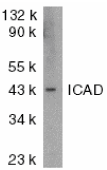
Left: Western blot analysis of ICAD in mouse lung tissue lysate with ICAD antibody at 1 µg/ml.
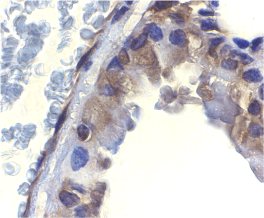
Below: Immunohistochemistry of ICAD in mouse lung tissue with ICAD antibody at 2 µg/ml.
Other Product Images
Source : ICAD antibody was raised against a peptide corresponding to amino acids near the amino terminus of mouse ICAD .
Purification : Affinity chromatography purified via peptide column
Clonality and Clone : This is a polyclonal antibody.
Host : ICAD antibody was raised in rabbit. Please use anti-rabbit secondary antibodies.
Immunogen : Mouse ICAD (N-Terminus) Peptide (Cat. No. 2001P)
Application : ICAD antibody can be used for detection of of ICAD by Western blot at 0.5 – 1 µg/ml.A 45 kDa band can be detected.
Tested Application(s) : E, WB, IHC
Buffer : Antibody is supplied in PBS containing 0.02% sodium azide.
Blocking Peptide : Cat. No. 2001P - ICAD Peptide
Long-Term Storage : ICAD antibody can be stored at 4ºC, stable for one year. As with all antibodies care should be taken to avoid repeated freeze thaw cycles. Antibodies should not be exposed to prolonged high temperatures.
Positive Control
1. Cat. No. 1402 - Mouse Lung Tissue Lysate
Species Reactivity :M
GI Number : 9087146
Accession Number : O54786
Short Description : (NT) Inhibitor of CAD
References
1. Liu X, Zou H, Slaughter C, Wang X. DFF, a heterodimeric protein that functions downstream of caspase-3 to trigger DNA fragmentation during apoptosis. Cell 1997;89:175-184
2. Enari M, Sakahira H, Yokoyama H, Okawa K, Iwamatsu A, Nagata S. A caspase-activated DNase that degrades DNA during apoptosis, and its inhibitor ICAD. Nature 1998;391:43-50
3. Sakahira H, Enari M, Nagata S. Cleavage of CAD inhibitor in CAD activation and DNA degradation during apoptosis. Nature 1998;391:96-99
4. Wyllie A. Apoptosis. An endonuclease at last. Nature 1998;39120-21(RD1299)
Hax1b Antibody
Catalog# : 4715
The HS-1 associated protein X-1 (Hax1) was initially identified in a yeast two-hybrid assay on the basis of its ability to bind to the hemapoietic cell-specific protein 1 (HS-1). Hax1 possesses anti-apoptotic activity and is structurally related to Bcl-2 family members, including the presence of BH1- and BH2-like domains. It has recently been shown to interact with HIV viral protein R (Vpr), a protein required for viral pathogenesis of HIV and linked to T-cell apoptosis through activation of caspases 3 and 9. Other studies indicate that Hax1-mediated processing of HtrA2 (also known as Omi) by the mitochondrial protease PARL allows survival of lymphocytes and neurons when cytokines are limiting. At least four isoforms of Hax1 are known to exist. This antibody is predicted to recognize Hax1b.
Additional Names : Hax1b, HS-1 associated protein X-1, HCLS1 associated protein X-1, HCLSBP1, HS1BP1
 Description
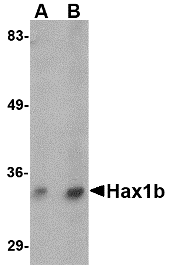
Left: Western blot analysis of Hax1b in mouse brain tissue lysate with Hax1b antibody at (A) 1 and (B) 2 µg/ml.
Source : Hax1b antibody was raised against a 10 amino acid peptide near the amino terminus of human Hax1b.
Purification : Affinity chromatography purified via peptide column
Clonality and Clone : This is a polyclonal antibody.
Host : Hax1b antibody was raised in rabbit. Please use anti-rabbit secondary antibodies.
Application : Hax1b antibody can be used for detection of Hax1b by Western blot at 1 – 2 µg/ml.
Tested Application(s) : E, WB
Buffer : Antibody is supplied in PBS containing 0.02% sodium azide.
Blocking Peptide : Cat.No. 4715P - Hax1b Peptide
Long-Term Storage : Hax1b antibody can be stored at 4ºC, stable for one year. As with all antibodies care should be taken to avoid repeated freeze thaw cycles. Antibodies should not be exposed to prolonged high temperatures.
Positive Control
1. Cat. No. 1403 - Mouse Brain Tissue Lysate
Species Reactivity :H, M, R
GI Number : 66363694
Accession Number : NP_001018238
Short Description : HS-1 associated protein X-1
References
1. Suzuki Y, Demoliere C, Kitamura D, et al. HAX-1, a novel intracellular protein, localized on mitochondria directly associates with HS1, a substrate of Src family tyrosine kinases. J. Immunol. 1997; 158:2736-44.
2. Sharp TV, Wang HW, Koumi A, et al. K15 protein of Kaposi’s sarcoma-associated herpesvirus is latently expressed and binds to HAX-1, a protein with antiapoptotic function. J. Virol. 2002; 76:802-16.
3. Yedavalli VS, Shih HM, Chiang YP, et al. Human immunodeficiency virus type 1 Vpr interacts with antiapoptotic mitochondrial protein HAX-1. J. Virol. 2005; 79:13735-46.
4. Chao J-R, Parganas E, Boyd K, et al. Hax1-mediated processing of HtrA2 by Parl allows survival of lymphocytes and neurons. Nature 2008; 452:98-102.
FAIM Antibody
Catalog# : 2309
The susceptibility of primary splenic B cells to Fas-mediated apoptosis is regulated in a receptor-specific fashion. Terminal effectors of B cell Fas-resistance include the known anti-apoptotic proteins Bcl-xL, FLIP, and a recently identified protein termed FAIM. This molecule is broadly expressed in various tissues and exists in at least three isoforms. It is thought that resistance to Fas killing via increased expression of FAIM protects foreign antigen-specific B cells during interactions with FasL-bearing T cells whereas autoreactive B cells are deleted via Fas-dependent cytotoxicity. More recent results have indicated that FAIM interacts with both Trk and p75 neurotrophin receptor and may play a role in promoting neurite outgrowth in different neuronal systems by a mechanism involving the activation of NF-kappaB and the Ras-ERK pathway.
Additional Names : FAIM, Fas apoptotic inhibitory molecule
 Description
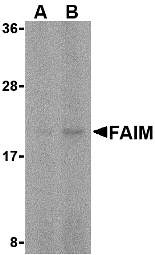
Left: Western blot analysis of FAIM in human spleen tissue lysate with FAIM antibody at (A) 5 and (B) 10 µg/ml.
Source : FAIM antibody was raised against a 14 amino acid peptide from near the carboxy terminus of human FAIM .
Purification : Affinity chromatography purified via peptide column
Clonality and Clone : This is a polyclonal antibody.
Host : FAIM antibody was raised in rabbit. Please use anti-rabbit secondary antibodies.
Application : FAIM antibody can be used for detection of FAIM by Western blot at 5 – 10 µg/ml.
Tested Application(s) : E, WB
Buffer : Antibody is supplied in PBS containing 0.02% sodium azide.
Blocking Peptide : Cat.No. 2309P - FAIM Peptide
Long-Term Storage : FAIM antibody can be stored at 4ºC, stable for one year. As with all antibodies care should be taken to avoid repeated freeze thaw cycles. Antibodies should not be exposed to prolonged high temperatures.
Positive Control
1. Cat. No. 1306 - Human Spleen Tissue Lysate
Species Reactivity :H, M
GI Number : 8922536
Accession Number : NP_060617
Short Description : an apoptosis inhibitor
References
1. Rothstein TL. Inducible resistance to Fas-mediated apoptosis in B cells. Cell Res. 2000; 10:245-66.
2. Schneider TJ, Fischer GM, Donohoe TJ, et al. A novel gene coding for a Fas apoptosis inhibitory molecule (FAIM) isolated from inducibly Fas-resistant B lymphocytes. J. Exp. Med. 1999; 189:949-55.
3. Sole C, Dolcet X, Segura MF, et al. The death receptor antagonist FAIM promotes neurite outgrowth by a mechanism that depends on ERK and NF-kappa B signaling. J. Cell Biol. 2004; 167:479-92.
FAF1 Antibody
Catalog# : 3993
Fas-associated protein 1 (FAF1) was initially identified as a Fas-binding pro-apoptotic protein that is component of the death-inducing signaling complex in Fas-mediated apoptosis (1). FAF1 can also induce apoptosis in the absence of extrinsic death signals when overexpressed although it does not contain typical death motifs such as the death domain, death effector domain, and caspase recruitment domain (1,2). Overexpression of FAF1 also decreases the basal level of NF-kappaB activity in transfected 293 cells, inhibits NF-kappaB activity induced by TNF-alpha, IL-1beta and lipopolysaccharide, and prevents NF-kappaB translocation to the nucleus (3), suggesting that another role of FAF1 is to negatively regulate the activity of NF-kappaB. FAF1 can also interact with the inflammatory signaling PYRIN-containing Apaf-1-like proteins (PYPAFs, also called NALPs) such as PYPAF1, PYPAF2 (NALP2), and PYPAF7, suggesting FAF1 may also be involved in the inflammation pathway (4). Multiple differentially spliced isoforms of FAF1 are known to exist.
Additional Names : FAF1 (CT), Fas-associated protein 1, hFAF1
 Description
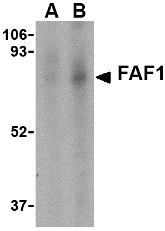
Left: Western blot analysis of FAF1 in Jurkat cell lysate with FAF1 antibody at (A) 1 and (B) 2 µg/ml.
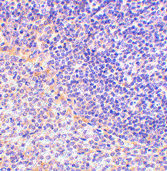
Below: Immunohistochemistry of FAF1 in rat spleen tissue with FAF1 antibody at 2.5 µg/ml.
Other Product Images
 Source : FAF1 antibody was raised against a 19 amino acid peptide from near the carboxy terminus of human FAF1.
Purification : Affinity chromatography purified via peptide column
Clonality and Clone : This is a polyclonal antibody.
Host : FAF1 antibody was raised in rabbit. Please use anti-rabbit secondary antibodies.
Application : FAF1 antibody can be used for detection of FAF1 by Western blot at 1 – 2 µg/ml.
Tested Application(s) : E, WB, IHC
Buffer : Antibody is supplied in PBS containing 0.02% sodium azide.
Blocking Peptide : Cat.No. 3993P - FAF1 Peptide
Long-Term Storage : FAF1 antibody can be stored at 4ºC, stable for one year. As with all antibodies care should be taken to avoid repeated freeze thaw cycles. Antibodies should not be exposed to prolonged high temperatures.
Positive Control
1. Cat. No. 1205 - Jurkat Cell Lysate
2. Cat. No. 1466 - Rat Spleen Tissue Lysate
Species Reactivity :H, M, R
GI Number : 5901948
Accession Number : NP_008982
Short Description : (CT) Fas-associated protein 1
References
1. Chu K, Niu X, and Williams LT. A Fas-associated protein factor, FAF1, potentiates Fas-mediated apoptosis. Proc. Natl. Acad. Sci. USA 1995; 92:11894-8.
2. Ryu SW and Kim E. Apoptosis induced by human Fas-associated factor 1, hFAF1, requires its ubiquitin homologous domain, but not the Fas-binding domain. Biochem. Biophys. Res. Commun. 2001; 286:1027-32.
3. Park M-Y, Jang HD, Lee SY, et al. Fas-associated Factor-1 inhibits Nuclear Factor-kappaB (NF-kappaB) activity by interfering with nuclear translocation of the RelA (p65) subunit of NF-kappaB. J. Biol. Chem. 2004; 279:2544-9.
4. Kinoshita T, Kondoh C, Hasegawa M, et al. Fas-associated factor 1 is a negative regulator of PYRIN-containing Apaf-1-like protein 1. Int. Immunol. 2006;18:1701-6.


